
I recently listed a Tampa-area house at a price that seemed fair, although perhaps a tad ambitious. It was a sweet little home in a solid neighborhood and could possibly fetch $400,000 in our current sellers’ market.
As soon as the house hit the market, buyers lined up. But these weren’t just families looking for a place they could call their own. These were institutional buyers, churning out thousands of offers on properties and then renting the houses they buy.
The groups bidding on the Tampa house didn’t offer the asking price. Oh no. Instead, almost half a dozen of them pushed out cash offers some for $10,000 more than the list price.
Unbeknownst to most people, this same scenario happens daily throughout our neighborhoods. Beyond the small pool of buyers and sellers out there, few people are aware of this quiet undercurrent reshaping housing with rentals. The University of Florida’s Bergstrom Real Estate Center recently underscored the trend and found home values are more volatile in more transient neighborhoods than owner-occupied ones, although it wasn’t as big of a deal in Miami as it was in Jacksonville.
If you are feeling insulated from the idea of record levels of renters, let me put it to you this way: Move-up buyers can’t graduate from their starter homes to more upscale neighborhoods when their chances of buying an entry-level home have all but disappeared. Suddenly, the demand for a permanent address in Middle America eases up.
Renters are a key part of our cities and towns, and most of us have rented at some point. In the past, renting was a stepping stone to build credit and buy a house so you could build some equity. But, as these securitized investors compete with traditional buyers, they amass the wealth that used to go to homeowners.
Back in Tampa, a young, professional couple made a play for the house I had listed. They quickly realized just who they were up against and offered about $40,000 over the asking price. That’s what it takes sometimes to compete these days.
For institutional buyers, it’s just a numbers game. By churning out thousands and thousands of offers a week, they win some and lose some. For potential homeowners, it’s a competitor they likely didn’t face a few years ago. As supply has decreased, they’re starting to compete more and more against each other.
The new breed of buyers doesn’t come alone. They bring an entire cottage industry of new financial products and tools. Businesses with cool names like Knock, Ribbon, and Divvy have sprouted up with “lease to own” deals and offers of cash for desperate buyers and buy-before-you-sell.
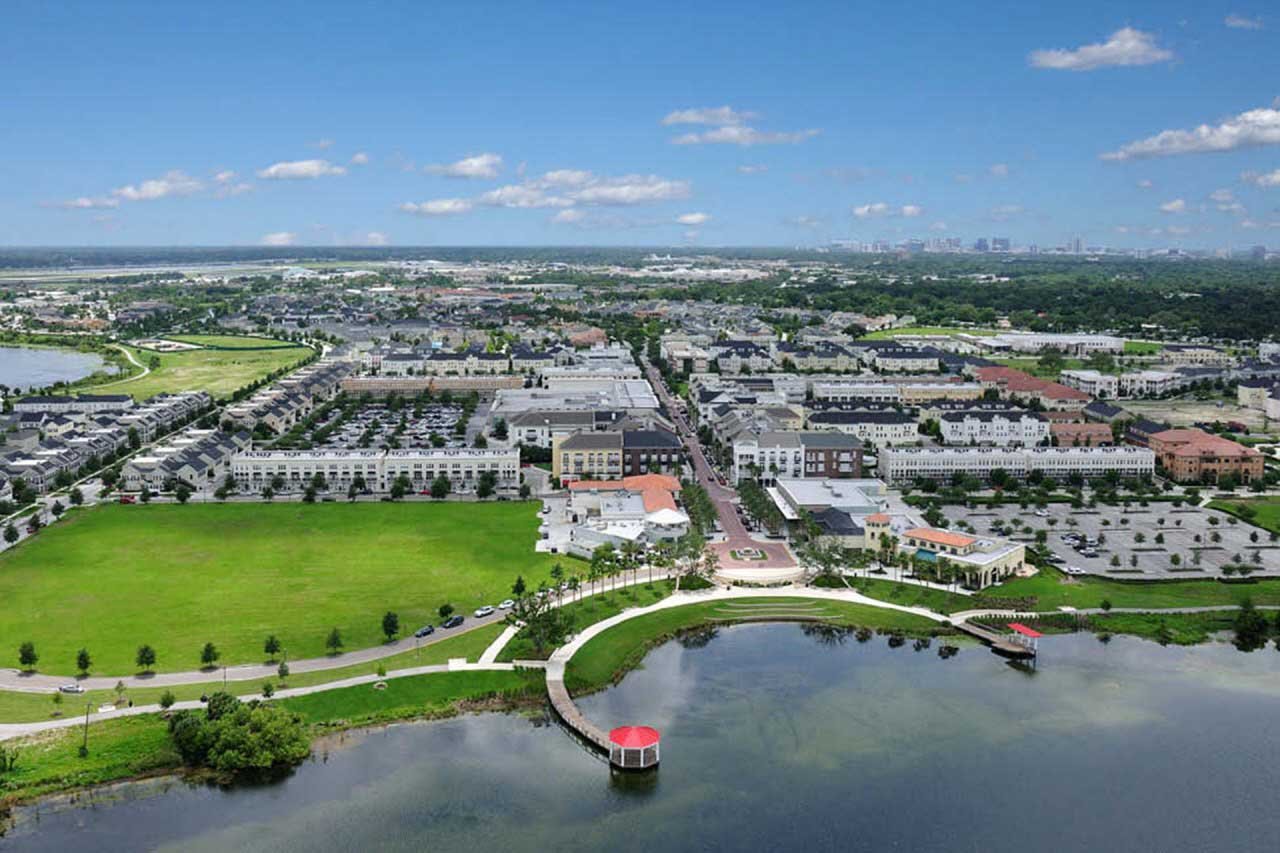
Existing homes are not the only target. As companies have figured out how to manage detached homes on a large scale, they are now building entire new neighborhoods – even in Central Florida – where you couldn’t buy one of the single-family houses if you wanted, but can rent one.
Is this good or bad for society? I don’t really know, but I do know your next home decision-making process is likely to be different than your previous one if you have not been in the market for some time.
Ultimately, the Tampa buyers paid a premium to beat the institutional buyers. At a cost that will stay with them as long as they pay their mortgage, they prevailed and got their sweet little house in the solid neighborhood.